From OpenAI. (2024). ChatGPT [Large language model]. https://chatgpt.com
Prompt – Provide based on the work of critical Bible Scholars, a table listing the differences between the Christmas stories of Matthew and Luke. Provide in the table scriptural references to support each site. List all sources at the end of the response.
Below is an expanded table that includes all notable differences between the Christmas stories in Matthew and Luke, based on the critical study of the Gospels. Scriptural references and commentary on each aspect are provided.
| Aspect | Matthew | Luke |
|---|---|---|
| Opening Context | Begins with a genealogy linking Jesus to Abraham and David (Matthew 1:1-17). | Begins with the announcements of John the Baptist’s and Jesus’ births (Luke 1:5-25; 1:26-38). |
| Genealogy | Traces Jesus’ lineage through Joseph, emphasizing royal descent from David via Solomon (Matthew 1:6-16). | Traces Jesus’ lineage through Joseph, emphasizing a priestly and universal lineage from David via Nathan (Luke 3:23-38). |
| Angel’s Appearance | Angel (unnamed) appears to Joseph in a dream to reassure him about Mary’s pregnancy (Matthew 1:18-25). | Angel Gabriel appears to Mary directly to announce the miraculous conception (Luke 1:26-38). |
| Mary’s Role | Mary’s perspective is downplayed; Joseph takes the active role in decisions (Matthew 1:19-25; 2:13-15). | Mary’s perspective is central; her faith and obedience are emphasized (Luke 1:26-38; 2:19). |
| Pregnancy Context | Mary becomes pregnant through the Holy Spirit before her marriage to Joseph, causing initial concern (Matthew 1:18-20). | Mary is betrothed to Joseph when Gabriel announces her conception by the Holy Spirit (Luke 1:27-38). |
| Birth Announcement | Angel tells Joseph about Jesus’ divine mission: “He will save his people from their sins” (Matthew 1:21). | Angel tells Mary about Jesus’ divine identity: “He will be called the Son of the Most High” (Luke 1:32). |
| Setting of Birth | Jesus is born in Bethlehem, seemingly as the family’s established residence. No mention of a census (Matthew 2:1-11). | Jesus is born in Bethlehem because of a census that required travel from Nazareth (Luke 2:4-7). |
| Visitors at Birth | Magi from the East visit Jesus after seeing his star and bring gifts of gold, frankincense, and myrrh (Matthew 2:1-12). | Shepherds visit after angels announce Jesus’ birth with praise, saying, “Glory to God in the highest” (Luke 2:8-20). |
| Role of Angels | Angel warns Joseph about Herod’s plot and directs the family’s escape to Egypt (Matthew 2:13-15). | Angel announces the birth to shepherds, and a heavenly host praises God (Luke 2:9-14). |
| Star as a Sign | A star leads the Magi to Jesus (Matthew 2:2, 9). | No mention of a star. |
| Herod’s Role | Herod seeks to kill Jesus, orders the massacre of infants in Bethlehem, prompting the Holy Family’s flight to Egypt (Matthew 2:3-18). | Herod is not mentioned in Luke’s birth narrative. |
| Flight to Egypt | Holy Family flees to Egypt to escape Herod’s massacre; later returns to Israel (Matthew 2:13-15, 19-23). | No mention of a flight to Egypt. After presenting Jesus in the Temple, the family returns to Nazareth (Luke 2:39). |
| Prophecy Fulfillment | Emphasizes fulfillment of Old Testament prophecies: Isaiah (virgin birth, Matthew 1:23), Micah (Bethlehem, Matthew 2:6), and Hosea (out of Egypt, Matthew 2:15). | Focuses on hymns and prophecies celebrating salvation and God’s favor on the humble and oppressed (Luke 1:46-55, 1:68-79, 2:29-32). |
| Naming of Jesus | Angel instructs Joseph to name him “Jesus” (Matthew 1:21). | Angel Gabriel tells Mary to name him “Jesus” (Luke 1:31). |
| Temple Presentation | No mention of a Temple presentation. | Jesus is presented at the Temple; Simeon and Anna prophesy about him (Luke 2:22-38). |
| Family Residence | Family lives in Bethlehem before fleeing to Egypt; later settles in Nazareth (Matthew 2:1-23). | Family lives in Nazareth but temporarily travels to Bethlehem for the census (Luke 2:1-4). |
| Tone and Themes | Royal and messianic: Jesus is portrayed as the King of the Jews, with conflict and divine protection against hostile forces (Matthew 2:2-6, 2:13-18). | Humble and universal: Jesus is portrayed as the Savior for all, with a focus on joy, peace, and inclusion of the marginalized (Luke 2:10-14, 2:30-32). |
Key Scholarly Observations:
- Different Audiences: Scholars note that Matthew’s account emphasizes Jewish concerns, connecting Jesus to Jewish prophecy and the Davidic line, while Luke’s account emphasizes universal salvation and inclusivity, appealing to a broader Gentile audience.
- Divergent Narrative Goals: Matthew’s story presents Jesus in a royal, messianic light, while Luke’s story highlights humility and divine joy.
- Theological Differences: The two accounts reflect theological concerns rather than strict historical accounts, as critical scholars agree they serve different purposes for their respective communities.
Sources:
- Raymond E. Brown, The Birth of the Messiah: A Commentary on the Infancy Narratives in the Gospels of Matthew and Luke.
- John Dominic Crossan, The Birth of Christianity.
- Bart D. Ehrman, Jesus: Apocalyptic Prophet of the New Millennium.
- N.T. Wright, The New Testament and the People of God.
- Amy-Jill Levine, The Jewish Annotated New Testament.
See Bart Ehrman’s Twelve Days of Christmas; Day 1: From a Historical View, December 13, 2024
From James Tabor’s pdf in Dropbox about Pantera.
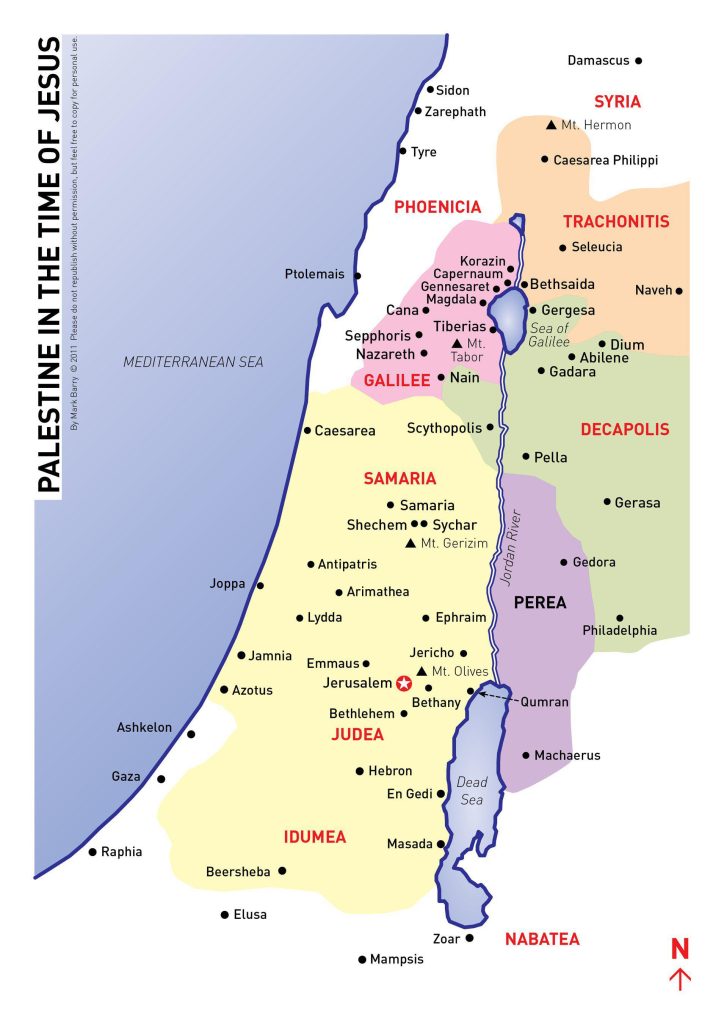
Notice, according to Luke, immediately after learning about her pregnancy, Mary “arose and went with haste” to the “hill country of Judea,” that is one hundred miles south of Nazareth. There she found refuge with her kinswomen Elizabeth—who was pregnant at that time with John the Baptist (Luke 1:39). The Greek word translated “with haste” (spoudé), connotes the idea of something done with zealousness and determination.
Tradition has it that Elizabeth and her husband Zechariah, who was a priest, lived in Ein Kerem, five miles west of Jerusalem. From Nazareth Mary would have traveled nearly one hundred miles, which would take three or four days minimum, through some very rugged and potentially dangerous terrain. Presumably she is traveling alone.