From ChatGPT on 7/12/2025. Scroll down for the second response related to where Jesus encountered both.
The shekel and the denarius were both units of currency in the ancient world, but they came from different cultures, had different values, and were made of different materials. Here’s a clear comparison:
1. Shekel
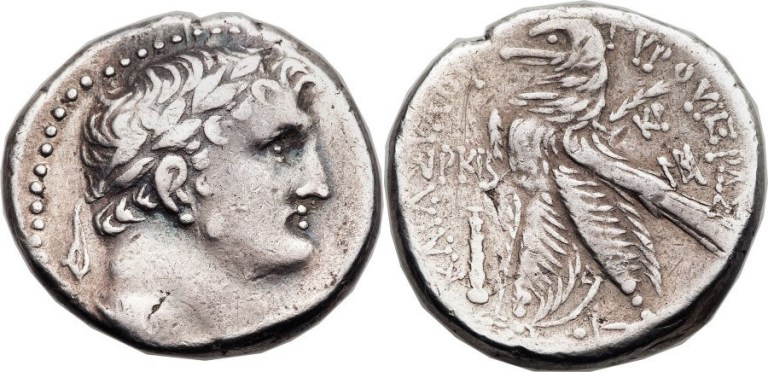
- Origin: Hebrew / Phoenician / broader Semitic use, later formalized in Jewish coinage
- Material: Silver
- Weight: Typically around 14 grams for the Tyrian shekel used in the Jerusalem Temple
- Use:
- Used widely in the ancient Near East, especially in commerce and religious offerings
- The Temple tax (Exodus 30:13) required half a shekel annually from adult males
- Tyrian shekels, minted in Tyre (a Phoenician city), were used in the Second Temple period due to their reliable silver content—even though they bore pagan images
- Value: More valuable than a denarius; worth about 4 denarii
Sources:
- Mishnah Shekalim 1:1
- Hendin, Guide to Biblical Coins
- Craig Evans, Jesus and the Temple
2. Denarius (plural: denarii)
- Origin: Roman
- Material: Silver, though of lesser purity than Tyrian shekels
- Weight: About 3.9 grams
- Use:
- Common Roman coin used across the empire
- Typical day’s wage for a laborer (cf. Matthew 20:2)
- Had the image of the Roman emperor and the inscription proclaiming him divine
- Value: A denarius was 1/4 the value of a Tyrian shekel
Sources:
- Roman historian Suetonius, Lives of the Caesars
- Gospel reference: Matthew 22:19–21 (“Render to Caesar…”)
- Jo Ann Hackett, in The Anchor Bible Dictionary, s.v. “Money”
Summary Table
| Feature | Shekel | Denarius |
|---|---|---|
| Culture | Jewish / Phoenician / Semitic | Roman |
| Metal | Silver (high purity) | Silver (lower purity) |
| Weight | ~14 grams (Tyrian shekel) | ~3.9 grams |
| Image | Pagan deity (Melqart, eagle) | Emperor (e.g., Tiberius) |
| Temple use | Yes (Temple tax) | No (not accepted at Temple) |
| Equivalent | ≈ 4 denarii | ¼ of a shekel |
| Daily wage | No | Yes, typical daily wage coin |
2nd Response
Shekels and denarii appear in several of Jesus’ teachings, each with symbolic and practical implications. Below is a breakdown of where and how shekels and denarii show up in the Gospels, and what they meant in their original context.
1. Denarius in Jesus’ Teachings
“Render to Caesar” – Matthew 22:17–21; Mark 12:13–17; Luke 20:20–26
“Show me the coin used for the tax.” And they brought him a denarius. Then he said to them, “Whose image is this, and whose title?” They answered, “Caesar’s.” Then he said to them, “Give therefore to Caesar the things that are Caesar’s, and to God the things that are God’s.” — Matthew 22:19–21 (NRSV)
- Meaning: Jesus is confronted about paying taxes to Rome. He asks for a denarius, which bore the image and inscription of Tiberius Caesar, identifying him as “son of the divine Augustus”.
- Symbolism: The coin represented imperial control and idolatry (graven image). Jesus’ answer cleverly acknowledges the political reality while emphasizing loyalty to God.
- Theological weight: This passage became central in discussions of Christian political engagement and civil obedience.
Parable of the Workers in the Vineyard – Matthew 20:1–16
“After agreeing with the laborers for the usual daily wage, he sent them into his vineyard.” — Matthew 20:2 (NRSV)
- “Usual daily wage” = a denarius
- Lesson: Jesus tells a parable where all laborers are paid a denarius, regardless of how long they worked.
- Symbolism: Reflects God’s generosity and justice, not strict human fairness. The denarius is used as a relatable economic term to anchor a theological lesson.
Parable of the Good Samaritan – Luke 10:25–37
“He took out two denarii, gave them to the innkeeper, and said, ‘Take care of him…’” — Luke 10:35 (NRSV)
- Denarii as real costs: Two denarii would cover about two days’ lodging and food.
- Symbolism: Represents compassion, generosity, and responsible charity.
2. Shekel in Jesus’ Context (Not by Name)
While the shekel is not named directly in Jesus’ teachings, it was implied in contexts related to the Temple tax and Temple cleansing.
Temple Tax – Matthew 17:24–27
“Does your teacher not pay the temple tax?”… “Go to the sea and cast a hook… you will find a coin; take it and give it to them for you and me.” — Matthew 17:24–27 (NRSV)
- “Coin” = stater (Greek: στατήρ), equivalent to 1 shekel, which paid the half-shekel tax for two people.
- Temple tax was typically paid in Tyrian shekels, as discussed earlier.
- Symbolism: Jesus affirms participating in Temple obligations, but the miracle implies his freedom and authority over earthly systems.
Cleansing of the Temple – Matthew 21:12–13; Mark 11:15–17; John 2:13–16
- Jesus drives out the money changers, who exchanged foreign coins for Tyrian shekels to be used in paying the Temple tax.
- Shekels are not mentioned by name, but they are the standard coin required for offerings.
- Symbolism: Jesus’ anger is not about money per se, but about exploitation and defilement of sacred space.
Summary Table: Denarius vs. Shekel in Jesus’ Teachings
| Coin | Where in the Gospels | Usage | Symbolism |
|---|---|---|---|
| Denarius | Matt. 22:19–21 | Roman tax coin | Image of Caesar → civil vs divine duty |
| Matt. 20:2 | Daily wage in a parable | Divine generosity | |
| Luke 10:35 | Payment to innkeeper | Practical charity | |
| Shekel | Matt. 17:24–27 (stater = shekel) | Temple tax (implied Tyrian shekel) | Obedience to religious duty + miracle |
| John 2:14–16; Mark 11:15 | Temple cleansing (money changers) | Prophetic judgment on Temple economy |
