From ChatGPT on 7/12/2025.
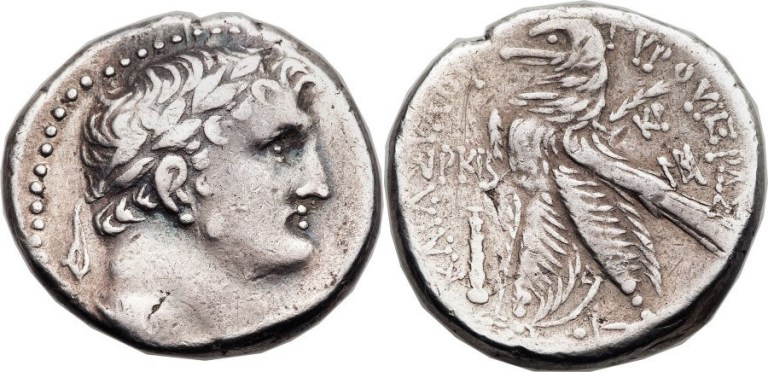
Critical Bible scholars have various interpretations about the role of the money changers in the Jerusalem Temple and why Jesus objected to them. Most agree they served a legitimate Temple function, but Jesus’ objection was not primarily to their presence, but to corruption, exploitation, or inappropriate use of sacred space.
Here is a breakdown of scholarly views, supported by sources:
What were the money changers doing?
The money changers were primarily:
- Exchanging foreign coinage (with images or inscriptions) for Tyrian silver shekels (which had a high silver content and were required for the annual temple tax).
- Possibly also converting large denominations into smaller ones for purchase of sacrificial animals and offerings.
Sources:
- Craig A. Evans, Jesus and the Temple (2019): “The money changers converted various local and foreign currencies into the Tyrian shekel, which was required for the temple tax… because of its high silver content and reliability.”
- E. P. Sanders, Judaism: Practice and Belief (1992): “The Tyrian silver coin was used because of its consistent weight and purity. The coinage bore pagan imagery, but was tolerated because of its reliability.”
- Richard Horsley, Jesus and the Spiral of Violence (1987): “Money changers were necessary, but they may have exploited pilgrims by charging high exchange rates. Jesus’ action symbolized judgment against a corrupt economic-religious system.”
Were they exchanging coins with graven images for image-free ones?
Not exactly. In fact:
- Tyrian shekels, the standard temple currency, had pagan images — usually of the god Melqart or Herakles and an eagle.
- Ironically, the temple preferred coins with images because they had more reliable silver content than image-free Jewish or local coinage.
Sources:
- John P. Meier, A Marginal Jew, Vol. 2 (1994): “The Temple did not refuse coins with images; rather, it required them — specifically the Tyrian shekel with a pagan image — because of its silver purity.”
- David Hendin, Guide to Biblical Coins (6th ed., 2022): “The Tyrian shekel had an image of Melqart, but was required for the temple tax from about 126 BCE to 70 CE.”
Why did Jesus object to the money changers?
Scholars agree that Jesus’ protest in the Temple (often called the “Temple cleansing”) was symbolic and prophetic, not simply an objection to coin exchange.
Leading theories:
- Economic exploitation — Jesus objected to overcharging or corruption.
- Desecration of sacred space — The outer court (Court of the Gentiles) was used as a market.
- Symbolic judgment on the Temple establishment — Jesus enacts a prophetic sign foretelling the Temple’s destruction.
Sources:
- N. T. Wright, Jesus and the Victory of God (1996): “Jesus’ action was a symbolic act of judgment, not just against corruption, but against the Temple system itself.”
- E. P. Sanders, The Historical Figure of Jesus (1993): “Jesus may have objected to the combination of commerce and worship… but the act was most likely a prophetic condemnation of the Temple leadership and what he saw as its failure.”
Summary:
| Question | Scholarly Consensus |
|---|---|
| Did money changers exchange coins with graven images for image-free coins? | No. The Temple preferred Tyrian shekels, which had pagan images. |
| Did they exchange foreign coinage of dubious value for reliable silver? | Yes. Tyrian silver was prized for its purity. |
| Why did Jesus object? | Due to exploitation, corruption, misuse of sacred space, or as a prophetic act. |
